Millennial Seeking Mentor
I started this blog post on mentorship exactly four years ago. Literally to the day. I had just planned the first annual Rising Tide Women’s Leadership Brunch for the Boys & Girls Clubs of Central Georgia. Its theme was mentorship. There was a panel of amazing women, an inspirational keynote speaker, and an overflowing crowd of eager and excited guests. Everywhere I looked, a strong, powerful woman glowed. As the conversations unfolded, it became clear that mentorship was something everyone there valued, but few had actually experienced. The young professionals expressed the need for guidance and trouble navigating the unspoken rules of the workplace. The seasoned professionals felt that they had so much wisdom to offer but feared imposing their perspective on those unwilling to learn from them.
We were all ships passing in the night.
At that time, I was still fairly early in my career. Many of my skills were forged in a learn-as-you-go method, which naturally meant I made a lot of avoidable mistakes. I was (and still am) open to a mentor, but just didn’t know where to find her. Or how to approach her once I did. Or what to ask. I dreaded feeling like a waste of someone’s time.
Add to that the frequent negativity I heard about Millennials’ work ethic from the generations above me, and I was hesitant, to say the least, to take the leap and handle my hope for a mentor with the seriousness it deserved.
One of our panelists was a woman I had known most of my life, the amazing Rachel Moore. A civil engineer, Rachel shared with the audience how important mentorship was for women in the male-dominated sphere where her career was formed. She joined the International Paper Flint River Mill in 1993 and currently serves as the Process Control Engineering Department Manager. Having been on both sides of the mentorship relationship, I asked her and her mentee to share insights into how they formed their mentorship.
Meet Rachel and Therese
Rachel and Therese met when Therese began as an intern at the International Paper Flint River Mill in 2015. Right away, Therese noticed Rachel’s leadership approach. “When I first started as an intern,” she said, “I was given the office across the hall from hers. I essentially had a front row seat to see how she operated. It was clear from the start that Rachel had a Servant Leadership approach, which is something I hope to emulate in my own career. She is also one of very few women in management at our mill. So, I felt her experience could help me navigate some of the unique struggles of women in a male-dominated, industrial environment.”
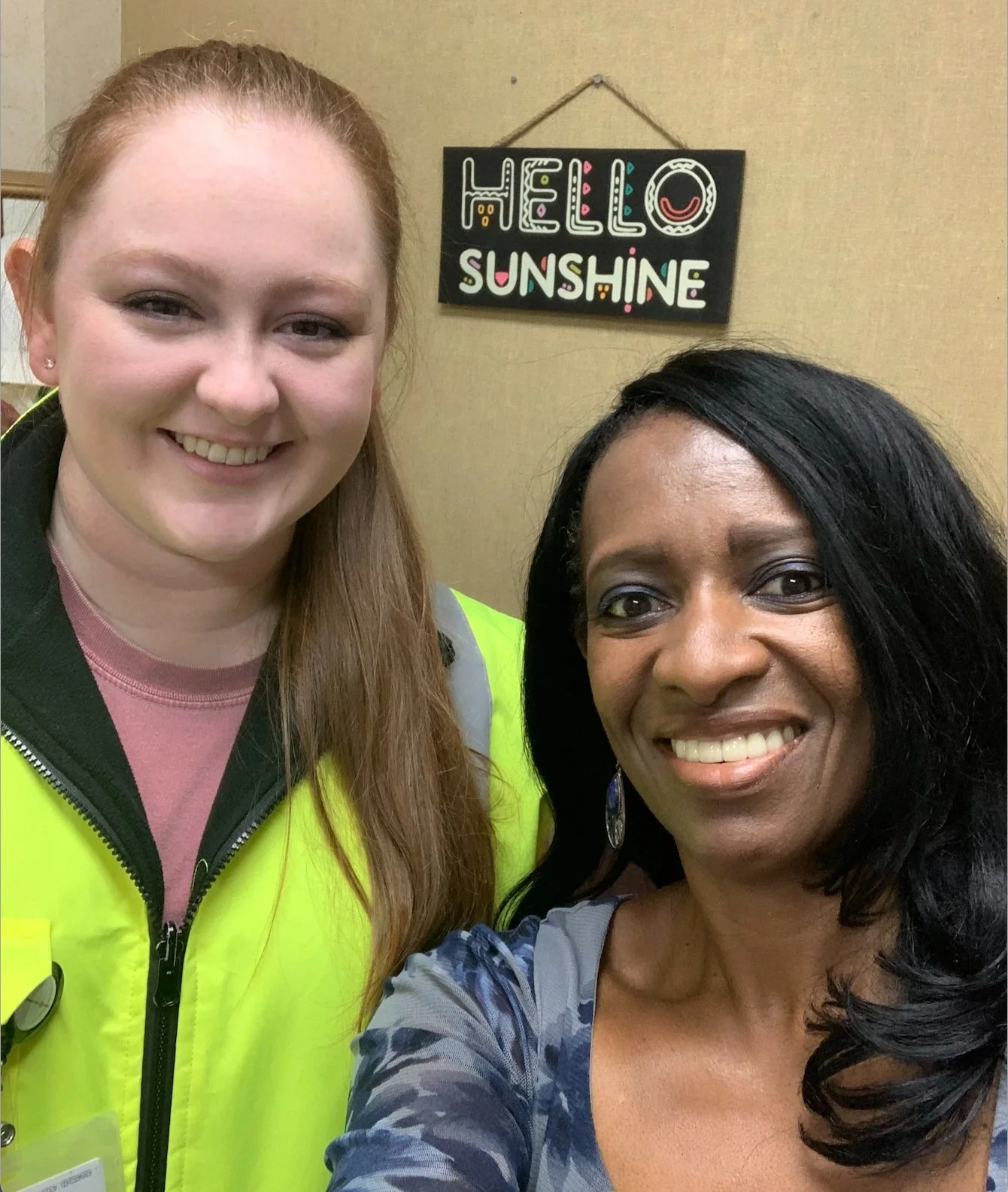
When Therese came on full-time in 2019, Rachel became her mentor. This dynamic was not new to Rachel; mentorship had played a vital role in forging her success at the mill. “During the early years of my career,” Rachel said, “We had a Women’s Support Group within the Mill. The more seasoned women became unofficial mentors. They provided solid advice on how to respond to challenging work situations. They encouraged me to go above and beyond expectations and not retreat into a shell because I felt misunderstood or overlooked in this male-dominated industry. I now thrive as a leader on the Extended Leadership Team (ELT) at the Mill and have gained the utmost respect from the Mill ELT, my peers, and those whom I directly manage.”
Not only did Rachel have experience being a mentee, she also brought decades of valuable lessons from her time in the engineering field to her role as a mentor.
Therese and Rachel meet in person monthly, and their conversations cover everything from work-life balance to peer relationships and career mapping. “Having a mentor,” Therese said, “Has helped me to feel more confident and less “all on my own”. I feel this has made me more successful in my current role. Because of my mentor, I also have a career plan mapped out and know how to achieve each step along the way. I am better prepared and equipped to tackle challenges when they arise. I also feel that I am able to get my concerns addressed more quickly because I have a mentor who is able to advocate for me.”
But Therese is not the only one who benefits from the relationship. Rachel finds that the exchange enriches her own experience in the workplace. “Mentoring is a great way to positively impact the next generation,” Rachel said. “My most rewarding work is motivating and inspiring others to be, do, and thrive in life. The younger generation is eager to learn and ready for opportunities to demonstrate their knowledge and value to the company. Being a mentor keeps me aiming to become an even better servant leader. Making a difference in the lives of others brings fulfillment in ways that I didn’t realize when I was on the mentee side of the relationship. Once impacted, it becomes a perpetual cycle of giving back.”
Since this interview, Therese has been promoted to Capital Project Manager. "With Rachel's support and mentorship, I felt confident to apply for the role when the opportunity arose. In this new role, Rachel's mentorship and advice has continued to serve me well. As a project manager, I have found Rachel's own leadership style has translated for me as I manage both my everyday team as well as my transient team through project completion. The mentorship was such an invaluable experience for me that I have been trying to pay-it-forward with the new engineers that have come through, from the semester-only interns to the newly graduated engineers."
Reflections on Mentorship in My Life
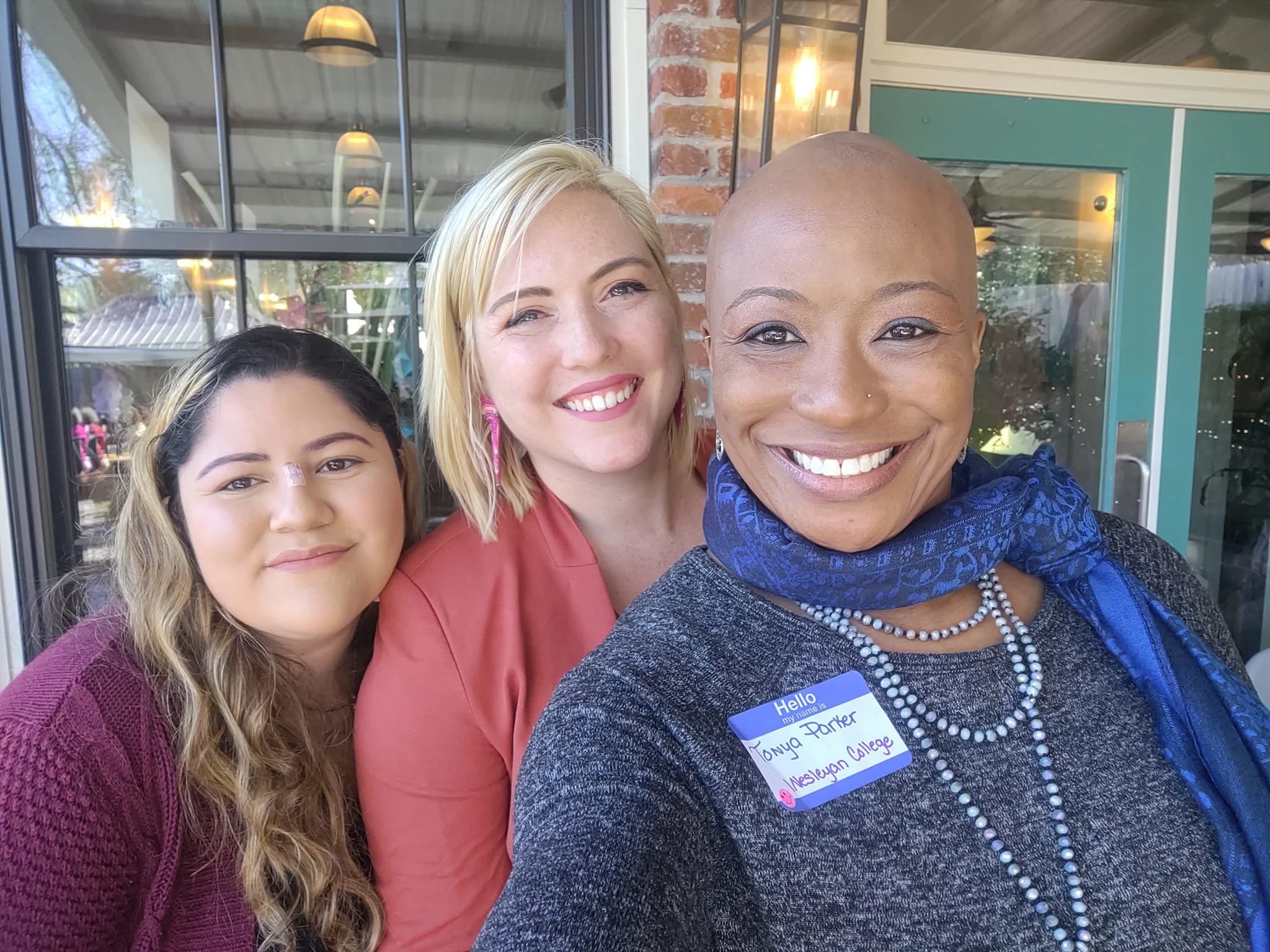
Broaching a mentorship relationship can be intimidating, but seeing how impactful it can be reminds us that it is worth the effort. At the Rising Tide Women’s Leadership Brunch, I was honored to have a woman who poured into my life when I was a teenager be a part of the day. Tonya Parker was a mentor to me during a rough time when I needed it most. And a young colleague shared with me that she saw me as her professional mentor, and we formalized the relationship that day. This photo of the three of us brings me so much joy. It represents the organic way we fell into mentorship by simply showing up for each other and sharing what we had learned without gatekeeping.
related articles